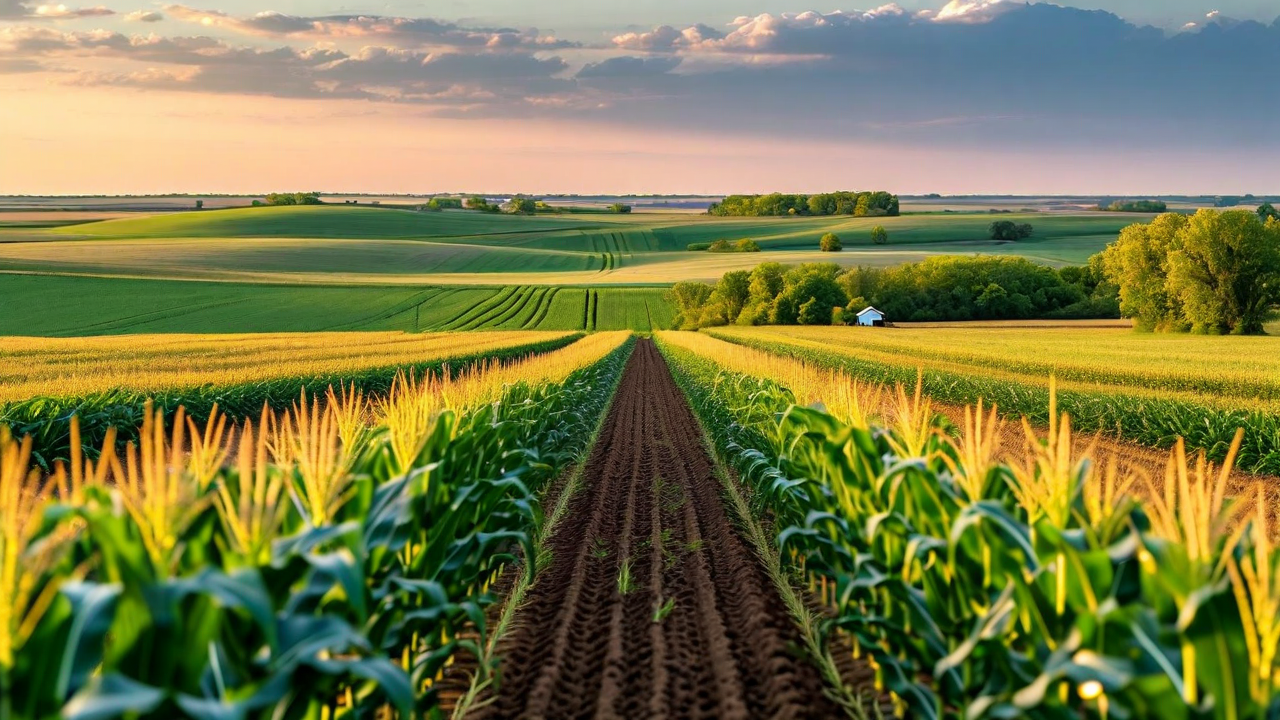
Ask any farmer in western Nebraska or the hill country of Kentucky what they think about farm technology, and within three minutes you will hear about the internet. Specifically about the lack of it. A $4,000 soil monitoring system that requires a constant LTE connection to process data is functionally useless if your fields are in a coverage dead zone. And most farm technology vendors design their products as if every field has reliable broadband. They do not.
The FCC's rural broadband coverage maps have been criticized for years for overstating actual availability. The problem with those maps is that coverage is reported by county if any part of a census block has service. A carrier that reaches one farmhouse on the eastern edge of a 12-mile section gets credit for covering that entire section. Farmers know the gap between what the maps say and what actually happens when you try to sync sensor data from a field two miles from the main road.
How This Affects Farm Technology in Practice
Cloud-dependent agriculture platforms fail in predictable ways when connectivity is unreliable. Sensor data gaps appear in the records because the sensor could not upload during a connectivity outage. Irrigation controllers that depend on real-time API calls to confirm schedules sit idle when the connection drops. Alert systems that need a live data feed stop alerting during exactly the periods when active monitoring matters most, namely during rapid weather changes and storm events.
We surveyed 180 farms enrolled in CropMind at the start of 2024. Of those, 67 reported at least one connectivity outage per week of four hours or longer during the growing season. On 23 farms, outages of 12 hours or more occurred monthly. These are not edge cases. They represent about 37% of our user base, and connectivity issues were the number one complaint about precision ag tools from growers across all farm sizes.
The affected farms were not all small or remote. Several were 2,000-plus acre operations with genuine infrastructure investment. The issue is not farm size or willingness to spend money. It is geography. Some of the most productive agricultural land in the country sits in areas with genuinely poor wireless infrastructure, and that is not going to change on a timeline that is useful for farms deploying technology today.
What Edge Processing Actually Means
Edge processing means running data analysis at or near the point of collection rather than routing everything through a remote server. In a farm context, that means the sensor node, the gateway hub at the equipment shed, or a small compute device installed in a central field location processes the raw data locally. Alerts fire, irrigation decisions get made, and anomaly detection runs without waiting for the data to travel to a remote facility and back.
This is not a new concept in industrial settings. Manufacturing plants have used edge computing for process control since before "edge computing" was a marketing term. Agriculture is catching up, partly because the cost of capable embedded hardware has dropped to the point where it is practical to put meaningful processing power in a weatherproof box that runs on solar power at the end of a quarter-mile field lane.
The CropMind edge gateway unit stores up to 72 hours of full-resolution sensor data locally. During connectivity outages, the system continues logging, continues running the irrigation control logic, and queues any alerts that would have been sent. When connectivity restores, the queued data syncs automatically and alerts that were time-sensitive get delivered with a timestamp noting the delay. The farm dashboard shows a complete data record with no gaps, even if the upload happened six hours after the readings were taken.
What Edge Processing Cannot Do
Honest accounting matters here. Edge processing solves the local continuity problem. It does not solve everything.
Satellite data cannot be processed at the edge because it comes from external sources that require network access. Machine learning models that need to be updated with new training data cannot be updated during outages. Cross-field correlation that requires comparing your field data against regional patterns needs connectivity. And if your connectivity outage lasts longer than the local storage buffer, you will still lose data.
The 72-hour buffer covers the vast majority of real-world outage scenarios we have observed. In a dataset of 1,400 recorded outages across our farm network, only 4.3% lasted longer than 48 hours. But for farms in particularly difficult coverage areas, we recommend a secondary connectivity path, specifically a low-bandwidth satellite terminal that handles only critical alerts and data sync while primary connectivity is down. The cost is roughly $60 to $90 per month for a basic terminal, and for operations managing 1,000 or more acres, that is a reasonable insurance cost.
The Bigger Infrastructure Problem
Edge processing is an engineering workaround for a policy failure. The US has chronically underinvested in rural broadband, and the agriculture sector pays for that underinvestment every year in delayed adoption, technology workarounds, and lost productivity from systems that do not function as designed.
Several states have started providing low-interest loan programs for on-farm broadband infrastructure, including fiber to the farm yard and high-gain antenna installations. Iowa, Nebraska, and Minnesota all have active programs as of 2025. If your county has an active USDA ReConnect grant recipient operating in it, the coverage situation may improve meaningfully within two to three years.
In the meantime, any precision ag system you deploy should be evaluated for how it behaves when the internet goes away. If the vendor cannot give you a clear answer about local data retention and offline operation, assume the answer is that it does not work offline. That matters for a lot more farms than the industry typically acknowledges.
Our Current Approach and What We Are Adding
Beyond the existing edge gateway, we are developing an expanded local analytics package for 2026 that runs more of the in-season crop stress detection locally. The goal is to make disease pressure alerts and irrigation triggers fully functional without any cloud dependency during the growing season, using model snapshots that are loaded onto the edge device at planting time and updated during connectivity windows.
This will not replace cloud-based analysis for more complex tasks like yield prediction and multi-year trend modeling. But it will mean that the day-to-day operational decisions a farm depends on during the growing season are no longer held hostage to a carrier tower three counties over.
Talk to Us About Connectivity at Your Operation
Before we recommend any hardware configuration, we map your connectivity situation. Tell us about your farm and we will give you an honest picture of what will and will not work before you commit to anything.
Request a Demo